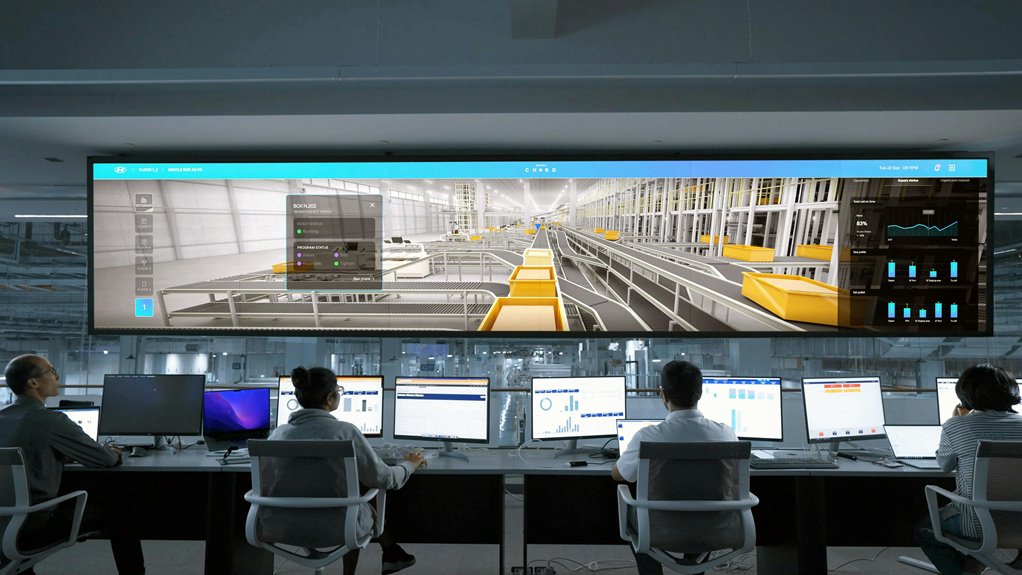
Technical system analysis is a critical process in evaluating system performance and efficiency. Unique identifiers such as 613446007, 120975, and others play a pivotal role in this analysis. They allow for precise tracking of components and facilitate the assessment of operational workflows. By examining these identifiers, analysts can uncover significant insights. The implications of these findings could drive transformative changes within organizations, prompting a closer look at how such data can be leveraged effectively.
Understanding Technical System Analysis
Technical system analysis involves a systematic examination of a system’s components and their interactions within a defined framework.
This process emphasizes data integrity and system compatibility, ensuring that all elements function cohesively.
By applying analytical frameworks, practitioners can evaluate performance metrics effectively, identifying areas for enhancement.
Such thorough analysis supports informed decision-making, ultimately fostering environments that prioritize individual freedom and operational efficiency.
The Role of Unique Identifiers in System Evaluation
Unique identifiers play a crucial role in system evaluation, as they serve to distinctly mark each component within a technical system, facilitating accurate tracking and analysis.
Their identifier significance enhances data integrity, ensuring that information remains reliable and traceable throughout the evaluation process.
Analyzing System Performance Through Identifiers
Identifying the performance metrics of a system is significantly enhanced through the use of unique identifiers.
The identifier significance lies in its ability to streamline data collection and analysis, facilitating a more accurate assessment of system metrics.
Enhancing Operational Efficiency With System Analysis
Operational efficiency can be significantly enhanced through comprehensive system analysis, which provides insights into workflow dynamics and resource allocation.
By applying process optimization techniques, organizations can identify bottlenecks and streamline operations.
Additionally, targeted workflow improvement initiatives enable the reallocation of resources, reducing waste and enhancing productivity.
Ultimately, systematic examination fosters an environment conducive to continuous improvement and operational excellence, empowering organizations to thrive.
Conclusion
In conclusion, the integration of unique identifiers such as 613446007 and 120975 serves as the backbone of effective technical system analysis, illuminating pathways to improved performance and efficiency. Like a compass guiding a traveler through a dense forest, these identifiers enable analysts to navigate complexities, uncover bottlenecks, and foster informed decision-making. Ultimately, this meticulous approach cultivates a culture of continuous improvement, ensuring organizations remain agile and responsive within their operational landscapes.