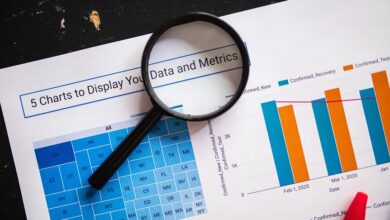
The Operational Tracking Dashboard, identified by specific codes, plays a crucial role in measuring organizational performance. It compiles essential metrics that reflect efficiency and adaptability. By enhancing visibility, it promotes accountability among stakeholders. As businesses face rapid market changes, the need for such dashboards becomes increasingly apparent. What specific trends can be identified, and how can they drive continuous improvement? The answers may reveal deeper insights into operational success.
Importance of Operational Tracking Dashboards
Operational tracking dashboards play a crucial role in modern business environments, as they provide real-time insights into key performance indicators (KPIs) and operational metrics.
Key Metrics and Trends to Monitor
Effective operational tracking requires a focus on specific metrics and trends that can significantly influence business performance.
Key performance indicators, such as sales growth and customer satisfaction, should be monitored closely.
Data visualization tools enhance the understanding of these trends, enabling stakeholders to make informed decisions.
Continuous assessment of these metrics fosters agility and empowers organizations to adapt in a dynamic environment.
Enhancing Visibility and Accountability
While organizations strive for efficiency, enhancing visibility and accountability becomes crucial in navigating complex operations.
Data transparency fosters trust among stakeholders, enabling informed decision-making.
By establishing robust performance accountability measures, organizations can track progress and ensure that objectives are met.
This dual focus not only promotes ethical practices but also empowers teams, ultimately contributing to a culture of responsibility and continuous improvement.
Streamlining Operations for Improved Efficiency
Streamlining operations is essential for organizations seeking to enhance overall efficiency and adaptability.
By focusing on process optimization, companies can refine workflows, reduce redundancies, and improve output quality.
Effective resource allocation further ensures that personnel and materials are utilized strategically, maximizing productivity.
Together, these elements foster an environment conducive to innovation, enabling organizations to respond swiftly to changing market demands and opportunities.
Conclusion
In conclusion, the Operational Tracking Dashboard serves as a crucial compass for organizations navigating the complexities of performance monitoring. By consistently tracking key metrics and trends, stakeholders can ensure transparency and accountability, ultimately leading to streamlined operations. As businesses face an ever-evolving landscape, leveraging such tools enables them to stay ahead of the curve, turning challenges into opportunities and ensuring they are not just keeping their heads above water, but thriving in a competitive environment.