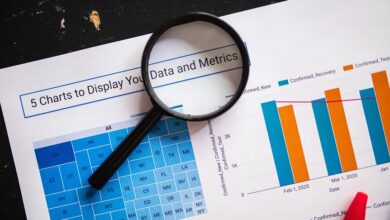
Monitoring system efficiency involves a detailed examination of key metrics that drive operational performance. Throughput and resource allocation serve as vital indicators of system health. The numerical identifiers—46819551, 1903919817, 649776232, 914842500, 1422746204, and 641267460—represent specific data points that can illuminate underlying issues. Understanding these elements is essential for effective decision-making. However, the path to optimization is complex and multifaceted, raising questions about the best strategies to implement.
Understanding Key Metrics in System Efficiency
While the effectiveness of any monitoring system hinges on its ability to provide actionable insights, understanding key metrics is essential for assessing system efficiency.
Key performance indicators, such as system throughput, serve as vital benchmarks. By analyzing these metrics, organizations can identify bottlenecks and optimize performance, ensuring that systems operate at their fullest potential while promoting autonomy and flexibility within operational frameworks.
Analyzing Data for Continuous Improvement
Analyzing data systematically fosters continuous improvement within monitoring systems.
By employing data visualization techniques, stakeholders can interpret complex datasets more intuitively, facilitating informed decision-making.
Trend analysis serves as a critical tool, identifying patterns and anomalies that signal potential enhancements.
Collectively, these methodologies empower organizations to refine processes, bolster efficiency, and ultimately achieve a higher degree of operational freedom and effectiveness.
Effective Monitoring Strategies for Performance Optimization
Implementing effective monitoring strategies is crucial for optimizing performance across various operational domains.
By establishing performance benchmarks and employing advanced monitoring tools, organizations can conduct efficiency audits that reveal insights into resource allocation.
Furthermore, these strategies enhance system scalability and facilitate the application of optimization techniques, ensuring that performance remains aligned with organizational goals while adapting to evolving operational demands.
Leveraging Insights for Smarter Decision-Making
Effective monitoring strategies not only optimize performance but also generate valuable insights that can significantly enhance decision-making processes.
By employing insightful analytics and advanced data visualization techniques, organizations can distill complex data into actionable intelligence.
This approach empowers decision-makers to identify trends, anticipate challenges, and allocate resources more effectively, ultimately fostering a culture of informed, agile decision-making that aligns with their strategic objectives.
Conclusion
In conclusion, monitoring system efficiency through key metrics illuminates pathways for performance optimization, reveals opportunities for resource allocation, and fosters a culture of continuous improvement. By analyzing data systematically, organizations can enhance decision-making processes, adapt to evolving demands, and align operational frameworks with strategic goals. Ultimately, effective monitoring not only drives efficiency but also cultivates agility, ensuring that organizations remain responsive and competitive in an ever-changing landscape.