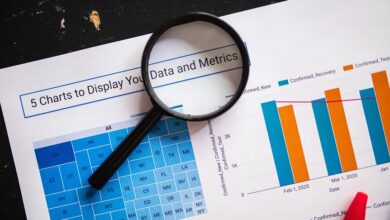
Operational metrics serve as vital indicators of organizational performance. The analysis of specific data points, such as 6182062814, 910878053, and others, reveals underlying trends that can inform strategic decisions. By examining these metrics in detail, stakeholders can unearth both strengths and weaknesses within their operations. This analysis raises pertinent questions about how to effectively leverage these insights for continuous improvement and adaptability. What strategies can be employed to maximize these findings?
Understanding the Importance of Operational Metrics
Operational metrics serve as essential indicators of an organization’s performance, providing critical insights into efficiency and effectiveness.
Their importance metrics lie in their ability to reveal operational significance, guiding strategic decisions. By quantifying processes, organizations can identify strengths and weaknesses, fostering an environment of continuous improvement.
Ultimately, a robust understanding of these metrics empowers stakeholders, enhancing autonomy and promoting a culture of accountability.
Detailed Analysis of Each Metric
While organizations may utilize a variety of operational metrics, each metric serves a distinct purpose and provides unique insights into performance.
A detailed analysis includes metric comparison against established performance benchmarks, elucidating strengths and weaknesses. This structured examination allows stakeholders to make informed decisions, optimizing operations and enhancing efficiency.
Ultimately, understanding each metric’s implications fosters a culture of continuous improvement within organizations.
Identifying Trends and Patterns
Frequently, organizations can uncover valuable insights by identifying trends and patterns within their operational metrics.
Trend detection and pattern recognition facilitate informed decision-making by revealing underlying behaviors and anomalies.
By systematically analyzing data points, organizations can establish correlations, anticipate shifts, and adapt strategies.
This analytical approach empowers stakeholders to navigate complexities, enhance efficiency, and ultimately foster a culture of continuous improvement and innovation.
Strategies for Leveraging Insights
Building on the insights gained from trend detection and pattern recognition, organizations can implement targeted strategies to optimize their operational performance.
By focusing on insight generation, they can enhance decision-making processes. Employing data visualization techniques allows teams to interpret complex information intuitively, facilitating immediate action.
Ultimately, harnessing these strategies drives efficiency and fosters a culture of continuous improvement, empowering organizations to adapt swiftly to changing environments.
Conclusion
In conclusion, the operational metrics analysis reveals a remarkable intersection of data points and trends that not only illuminate an organization’s strengths and weaknesses but also resonate with the very essence of adaptability. As stakeholders reflect on these insights, the coincidental alignment of metrics may evoke a sense of urgency and opportunity, compelling them to embrace strategic improvements. This analysis ultimately fosters a culture of continuous growth, ensuring organizations remain not just responsive, but also resilient in an evolving landscape.