Advanced System Analytics employs unique identifiers such as 919611537 and 22509000 to enhance data integrity and streamline analytical processes. These identifiers facilitate consistency across diverse datasets, enabling organizations to track and manage critical data points effectively. By examining the implications of these identifiers, one can uncover their role in driving innovation and operational efficiency. The subsequent sections will explore specific applications and emerging trends that could redefine the landscape of data analysis.
Understanding Advanced System Analytics
As organizations increasingly rely on data-driven decision-making, understanding advanced system analytics becomes crucial for optimizing operations and enhancing performance.
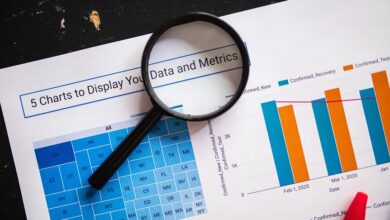
Data visualization techniques facilitate the interpretation of complex datasets, while predictive modeling allows organizations to forecast trends and behaviors.
The Importance of Unique Identifiers in Data Analysis
Unique identifiers play a critical role in data analysis by ensuring the integrity and consistency of datasets.
Their identifier significance lies in providing a reliable means to track and manage data points across various systems. This fortifies data integrity, minimizes duplication, and enhances analytical accuracy.
Consequently, organizations can make informed decisions based on precise data, fostering an environment conducive to innovation and freedom in analysis.
Case Studies: Leveraging Key Identifiers for Business Growth
While businesses increasingly rely on data-driven strategies, the effective use of key identifiers has emerged as a pivotal factor in driving growth.
Case studies illustrate how companies harness data integration and identifier management to enhance customer insights, streamline operations, and drive profitability.
Future Trends in Advanced System Analytics
What innovations will shape the future of advanced system analytics?
The integration of predictive modeling and enhanced data visualization techniques will revolutionize decision-making processes. As organizations seek autonomy in data interpretation, advancements in machine learning algorithms will facilitate real-time insights.
Moreover, interactive dashboards will empower users, allowing for a more intuitive understanding of complex data sets, thus fostering a culture of informed freedom.
Conclusion
In conclusion, the integration of unique identifiers such as 919611537, 22509000, and others is paramount for enhancing data integrity in advanced system analytics. These identifiers not only streamline analysis but also empower organizations to make informed decisions that drive growth. As businesses increasingly rely on data-driven insights, one must ponder: how will the strategic use of these identifiers shape the future of operational efficiency and competitive advantage? The potential for innovation remains vast and largely untapped.