The numerical dataset presented, including values such as 3346248301 and 602614527, raises questions about their significance and implications. Through methodical analysis, patterns may emerge that inform strategic initiatives. Transforming these raw figures into actionable insights could reveal underlying trends. Understanding these relationships is crucial for organizations aiming to optimize resources. However, the true potential of such analysis remains to be uncovered. What insights lie beneath the surface?
Analyzing the Numbers: What Do They Represent?
What insights can be gleaned from numerical data? The significance of numbers often lies in their patterns, revealing underlying trends and relationships.
Transforming Raw Data Into Actionable Insights
Transforming raw data into actionable insights requires a systematic approach that prioritizes clarity and relevance.
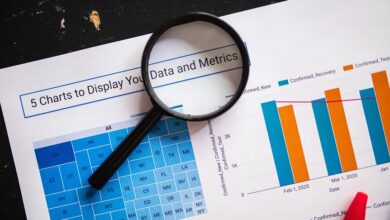
Effective use of data visualization techniques aids in revealing patterns and trends, facilitating easier comprehension.
Additionally, implementing predictive analytics models allows organizations to forecast future outcomes based on historical data.
Together, these methods empower decision-makers to derive meaningful conclusions and make informed choices that promote organizational freedom and adaptability.
Case Studies: Real-World Applications of Data Analysis
Numerous organizations across various industries have successfully harnessed data analysis to drive strategic decisions and enhance operational efficiency.
Through data visualization, stakeholders can easily interpret complex datasets, facilitating informed choices.
Additionally, predictive modeling enables companies to forecast trends and consumer behavior, optimizing resources and improving outcomes.
These case studies illustrate data analysis as a vital tool for achieving competitive advantage and innovation.
The Future of Data-Driven Decision Making
As organizations increasingly recognize the value of data analysis demonstrated in various case studies, the future of data-driven decision making appears promising.
The integration of predictive analytics will empower businesses to anticipate trends, while advanced data visualization techniques will enhance understanding of complex datasets.
This dual approach fosters informed choices, ultimately supporting a culture of agility and adaptability in an ever-evolving market landscape.
Conclusion
In conclusion, the careful contemplation of the aforementioned numerical nuances reveals remarkable resources for informed decision-making. By bridging raw data with brilliant business strategies, stakeholders can seize significant opportunities. As the landscape of data-driven dynamics continues to evolve, organizations must remain vigilant and adaptable, leveraging insights to navigate the complexities of modern markets. Ultimately, fostering a future rooted in data discernment will bolster better outcomes and sustainable success for all involved.