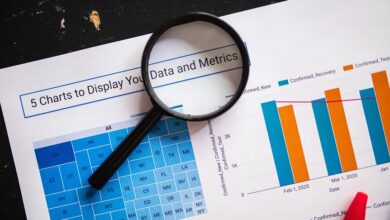
The System Efficiency Dashboard provides a quantitative snapshot of organizational performance, featuring metrics such as 22,333,060 and 5,186,213,356. These figures illustrate critical areas of efficiency and effectiveness. By examining the relationships between these data points, organizations can uncover insights into their operational strengths and weaknesses. Such analysis prompts a deeper exploration into how these metrics can inform strategic decision-making and drive continuous improvement initiatives. What implications do these findings hold for future performance?
Understanding Key Performance Metrics
Key performance metrics play a crucial role in evaluating the efficiency of systems within organizations.
Performance indicators serve as benchmarks for success, allowing for metric analysis that identifies strengths and weaknesses.
By systematically assessing these metrics, organizations can foster an environment of accountability and improvement, ultimately driving towards greater operational freedom and effectiveness.
Understanding these elements is essential for informed strategic decision-making.
The Role of Real-Time Insights in Decision Making
While traditional decision-making processes often rely on historical data and static reports, the incorporation of real-time insights has transformed how organizations respond to dynamic environments.
Real-time analytics empower leaders to adapt swiftly, enabling informed strategies that align with evolving market conditions. This agility fosters a culture of responsiveness, allowing businesses to seize opportunities and mitigate risks effectively, enhancing overall operational efficiency.
Streamlining Processes Through Data Analytics
Real-time insights not only enhance decision-making but also play a significant role in streamlining processes through data analytics.
By leveraging data visualization, organizations can identify inefficiencies and optimize workflows effectively.
Furthermore, implementing process automation reduces manual tasks, allowing teams to focus on strategic initiatives.
Together, these elements create a more agile environment, fostering innovation and enhancing overall operational efficiency.
Measuring Success and Identifying Improvement Areas
To effectively measure success and identify areas for improvement, organizations must establish clear metrics aligned with their strategic objectives.
Identifying success indicators enables teams to assess performance accurately. By analyzing these indicators, organizations can develop targeted improvement strategies that enhance efficiency and effectiveness.
Continuous evaluation fosters a culture of adaptability, empowering teams to pursue innovation and operational excellence in a dynamic environment.
Conclusion
In conclusion, the System Efficiency Dashboard serves as a navigational compass for organizations, guiding them through the complex terrain of performance metrics. Just as a skilled sailor relies on precise instruments to chart a course through turbulent waters, leaders can harness these insights—such as the compelling total metric value of 22,333,060—to steer their strategies. By continually analyzing data points, organizations can refine their operational sails, ensuring they remain on course toward improved efficiency and effectiveness.