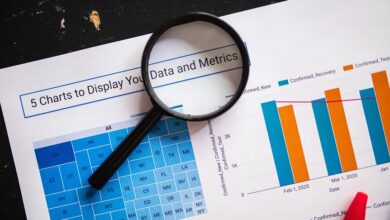
Strategic performance tracking plays a pivotal role in enhancing organizational efficiency. By utilizing key performance indicators, businesses can gauge their progress toward strategic objectives. This process involves analyzing various metrics to inform decision-making. Understanding how these elements interact is crucial for fostering a culture of adaptability. As organizations strive for long-term success, the implications of their performance tracking methods warrant closer examination. What strategies will emerge from these insights?
Understanding Key Performance Indicators
How can organizations effectively measure their progress toward strategic goals?
Utilizing KPI frameworks enables the establishment of performance benchmarks, allowing for objective assessments of success. These frameworks provide a structured approach to evaluate various metrics, ensuring alignment with overarching objectives.
The Role of Data in Strategic Decision Making
Data serves as a critical foundation for strategic decision-making within organizations, influencing the direction and effectiveness of initiatives.
By leveraging data-driven insights, leaders can navigate complexities and uncertainties, leading to informed choices that enhance operational efficiency.
This analytical approach ensures that strategies remain aligned with organizational goals, ultimately fostering a culture of adaptability and responsiveness in dynamic market environments.
Analyzing Performance Metrics
What factors contribute to the effective analysis of performance metrics in organizations? Key elements include the identification of relevant performance trends and robust metric evaluation processes.
Organizations must leverage data analytics tools to interpret these metrics accurately, ensuring a comprehensive understanding of their operational landscape.
This analytical approach allows for informed decision-making, empowering organizations to enhance their performance and foster a culture of continuous improvement.
Aligning Strategies for Long-Term Success
While organizations often prioritize immediate performance improvements, aligning strategies for long-term success requires a comprehensive understanding of both internal capabilities and external market dynamics.
Strategic alignment plays a crucial role in ensuring that all efforts are directed towards a shared long-term vision. By integrating operational objectives with broader goals, organizations foster resilience and adaptability, ultimately enhancing their capacity to thrive in evolving markets.
Conclusion
In conclusion, strategic performance tracking serves as a compass for organizations navigating the complexities of modern markets. Just as Odysseus relied on constant vigilance to return home, businesses must harness KPIs and data analytics to steer their initiatives toward success. By embracing a culture of continuous improvement, organizations can adapt to shifting tides, ensuring their strategies remain aligned with long-term objectives. Ultimately, this commitment to performance evaluation fosters resilience, paving the way for sustained growth and achievement.